
By Dr. Tomer Anbar, CEO, Institutes of Health

For firefighters, police officers, and emergency responders, service is more than a profession — it’s a calling. It’s a mission rooted in courage, self-sacrifice, and an unrelenting commitment to public safety. Every shift begins with the quiet understanding that danger may lie ahead. Whether rushing into a burning building, confronting armed suspects, performing CPR on a child, notifying a family of a loved one’s death, witnessing human suffering at its rawest, or holding the hand of someone taking their last breath — these men and women step forward into chaos when others flee.
Yet beyond the visible danger lies an even more insidious threat: the invisible weight of trauma. Grief, moral injury, and cumulative psychological strain quietly accumulate, often unnoticed, until they overwhelm. The long-term effects are devastating — disrupting lives, families, and careers — especially when left untreated.
Trauma Is Treatable — And Recovery Is Real
For years, many believed PTSD among first responders was irreversible. But today, thanks to advanced clinical models and evidence-based care, we now know that complex PTSD can be systematically reversed. First responders once sidelined by trauma are returning to their lives, families, and professions with renewed strength. Hope is no longer hypothetical — it’s proven and repeatable.
A Necessary Paradigm Shift in Care
Traditional approaches have been woefully inadequate. Siloed systems treat trauma, pain, brain injury, and substance use as if they are unrelated — when in fact, they are intertwined expressions of a shared biopsychosocial injury.
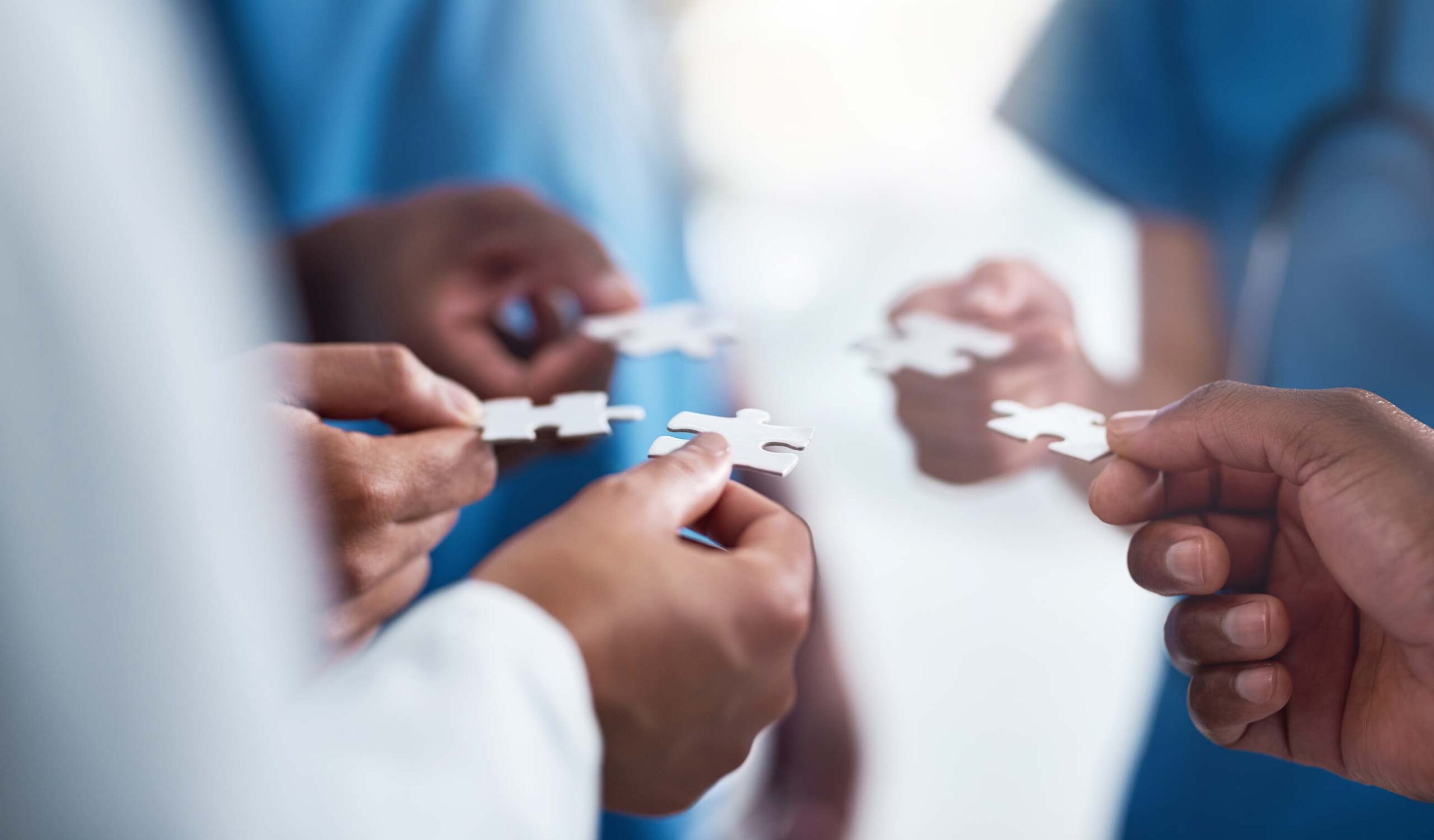
The solution? A shift to a transdisciplinary, biopsychosocial model of care — one where clinicians across disciplines work side by side, collaborating in real time, sharing notes and perspectives, and designing unified treatment plans. No more fragmented services. No more isolated therapies. Just coordinated, patient-centered healing.
Introducing the TBTC: Transdisciplinary Biopsychosocial Therapeutic Community
This gold-standard approach is known as the TBTC recovery model, and its success is grounded in three pillars:
- Transdisciplinary Teamwork
Medical and behavioral specialists — including neurologists, psychiatrists, psychologists, physical therapists, occupational therapists, speech-language pathologists, and nutritionists — come together to form one cohesive clinical voice. They design and deliver unified care plans, ensuring patients are never lost in a maze of opinions or contradictory advice.
- Biopsychosocial Framework
This model treats the whole person:- Biological: Brain injury, chronic pain, sleep disruption, and inflammation are addressed with non-opioid medical and rehabilitative care.
- Psychological: PTSD, depression, anxiety, and behavioral health are treated using trauma-informed psychotherapies and cognitive-behavioral interventions.
- Social: Identity, purpose, family reintegration, and peer support are restored through vocational rehabilitation, group therapy, and community re-engagement.
- Therapeutic Community Setting
Care is delivered in a de-medicalized residential environment where first responders heal among peers. The setting mirrors real-world structure while offering emotional safety, daily rhythms, and a supportive community. This context enables trust, engagement, and sustained behavioral change — something sterile clinical environments rarely achieve.
Why Behavioral Medicine Is Essential
At its core, the TBTC model operates within a behavioral medicine framework. This interdisciplinary field integrates biomedical knowledge with behavioral science — ensuring that treatment addresses not only physical injuries, but also emotional responses, psychological resilience, and social context.
When biomedical tools (like imaging or medication) are aligned with trauma-informed behavioral strategies, recovery becomes truly holistic and effective.
See It to Believe It: The Power of Site Visits
Understanding the power of TBTC care requires more than reading about it — it requires witnessing it. Stakeholders — including employers, insurers, and policymakers — should visit these centers to observe interdisciplinary coordination, meet the clinical team, and evaluate actual outcomes. Seeing the structured healing environment firsthand makes the transformative potential of this model undeniable.
The Biological and Genetic Legacy of Trauma
Chronic trauma doesn’t just affect the mind. It alters gene expression through epigenetic modification, which dysregulates the immune system, endocrine response, and inflammatory processes. These effects can be passed down intergenerationally, increasing vulnerability in the children and grandchildren of those affected.
This makes trauma care a matter of public health and future resilience. Reversing PTSD may literally help heal future generations.
Separating True Innovation from Empty Marketing
Unfortunately, many programs claim to treat trauma but lack the clinical infrastructure to succeed. They may rely on trendy modalities without integration, multidisciplinary coordination, or long-term support. These programs risk re-traumatizing patients and undermining trust in treatment.
True recovery requires:
- Clinical depth
- Transdisciplinary/interdisciplinary collaboration
- Peer-supported environments
- Evidence-based outcomes
Stakeholders must evaluate not just what programs claim, but what they can prove.
PTSD Is a Full-Body Illness
Untreated PTSD leads to widespread physiological consequences:
- HPA axis dysfunction
- Autonomic dysregulation
- Immune suppression
- Sleep disorders
- Gastrointestinal and cardiovascular complications
First responders are already at elevated risk due to occupational hazards. Without integrated care, trauma can shorten lives and erode quality of life.
The Critical Role of Clinical Nutrition
Nutrition is often ignored in trauma treatment — but it is central to recovery. Anti-inflammatory, micronutrient-rich diets support neuroplasticity, regulate mood, and repair gut-brain pathways. They reduce cytokine activity, calm systemic inflammation, and improve emotional resilience.
Nutrition is not just a “lifestyle add-on.” It is a core therapeutic domain that can restore agency, support healing, and enhance long-term recovery.
Conclusion: The Path Forward
We now possess the science, the structure, and the evidence. The TBTC model, rooted in behavioral medicine, has shown that even the most complex cases of PTSD can be reversed. This is not theory — it is practice, already changing lives.
It is time for stakeholders — employers, insurers, clinicians, and policymakers — to act with urgency. No more fragmented care. No more minimal compliance. The standard must rise.
Let us meet the courage of our first responders with an equal level of innovation, investment, and integrity. Let us build a system that does more than acknowledge trauma — it reverses it. Together, we can transform trauma into triumph, and restore identity, function, and hope for those who protect us every day.
About Dr. Anbar
Dr. Tomer Anbar is the founder and CEO of Institutes of Health, specializing in advanced treatment and research of such epidemics as chronic pain, complex PTSD, brain injuries, and related conditions. In 2002 he launched the Mind/Body Health Initiative to more effectively treat the chronic pain epidemic in the workers’ compensation system, and in 2008 he founded the Interdisciplinary Functional Restoration Program at Scripps Health. As Chief Clinical Advisor of the Employers’ Fraud Task Force, he advised the California Department of Industrial relations on how to systematically improve clinical outcomes employing evidence-based biopsychosocial paradigms.

About IOH
Institutes of Health (IOH) are specialty clinics dedicated to providing evidence-based care for workers’ compensation patients facing delayed recovery. Using an advanced biopsychosocial, transdisciplinary model grounded in therapeutic community principles, IOH helps patients achieve better outcomes and develop long-term self-management skills. IOH specializes in treating injured workers with chronic conditions, brain injuries, post-traumatic stress injury (PTSD), and related substance use and disabilities. Services are currently offered in San Diego, Riverside, El Centro, Anaheim, and via a biometric telehealth platform—with new locations coming soon in Los Angeles and Northern California. Learn more at institutesofhealth.org.
Source: https://www.workcompwire.com/2025/07/dr-tomer-anbar-how-treatment-advances-are-combatting-the-effects-of-ptsd-in-first-responders/